

Introduction
Water is a vital resource for various industrial applications, including manufacturing, construction, agriculture, and mining. Ensuring a reliable and efficient water supply is essential for the smooth operation of industrial processes. In many cases, industries require large quantities of water that may not be readily available through traditional water supply sources. This is where water tank trucks play a crucial role in providing industrial water supply solutions. This article explores the use of water tank trucks in industrial settings, their benefits, applications, and important considerations for enhancing industrial water supply.
Overview of Water Tank Trucks
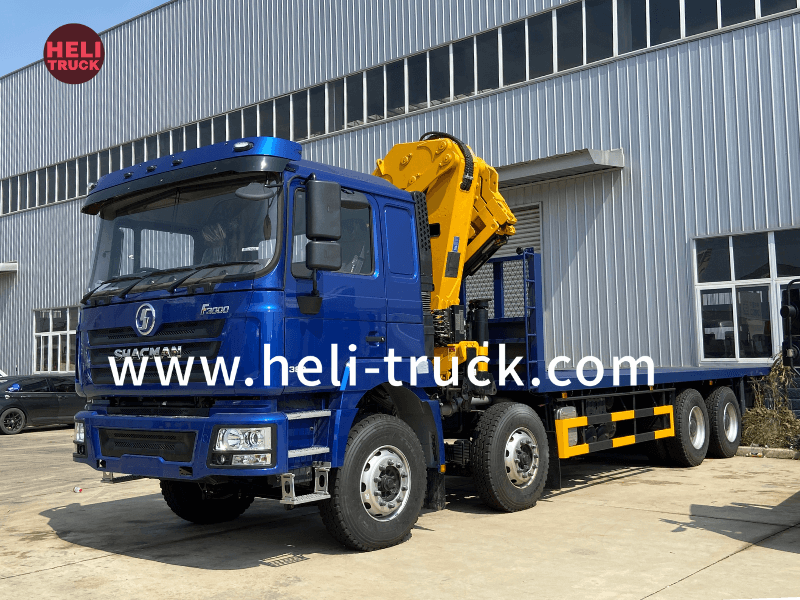
Water tank trucks, also known as water bowsers or water tankers, are specialized vehicles designed for transporting and delivering large volumes of water to various locations. These trucks are equipped with tanks of different capacities, ranging from a few hundred to several thousand gallons, depending on the specific requirements of the industry. The tanks are typically made of durable materials such as stainless steel or fiberglass to ensure safe storage and transportation of water.
Water tank trucks come in various configurations, including rigid trucks, semi-trailers, and articulated trucks. They are equipped with pumps, hoses, and spray nozzles for efficient water delivery and distribution. Some advanced water tank trucks may also feature filtration systems to ensure the quality of the water being transported.
Applications of Water Tank Trucks in Industrial Water Supply
Water tank trucks play a vital role in meeting the diverse water supply needs of industrial sectors. Some common applications of water tank trucks in industrial water supply include:
1. Construction Sites: Water tank trucks are used to supply water for dust suppression, concrete mixing, and other construction-related activities. Construction sites often require a reliable source of water to carry out various tasks efficiently.
2. Mining Operations: The mining industry relies heavily on water for mineral processing, dust control, and equipment cooling. Water tank trucks are used to transport water to remote mining sites where access to water infrastructure may be limited.
3. Agriculture: Agricultural operations such as irrigation, livestock watering, and pesticide application require large volumes of water. Water tank trucks are employed to ensure a consistent supply of water to farms and agricultural fields.
4. Manufacturing Plants: Industrial facilities use water for cooling systems, equipment cleaning, and product processing. https://www.heli-truck.com/foton-4ton-recovery-truck/ provide a convenient way to deliver water to manufacturing plants, especially in locations where municipal water supply is insufficient.
5. Emergency Response: In the event of natural disasters, water tank trucks are deployed to provide emergency water supply to affected areas. These trucks play a critical role in disaster relief efforts by ensuring access to clean water for drinking and sanitation purposes.
Benefits of Using Water Tank Trucks for Industrial Water Supply
The use of water tank trucks offers several benefits for industrial water supply:
1. Flexibility: Water tank trucks can access remote locations and deliver water directly to the point of use, providing flexibility in meeting the specific water supply needs of industries.
2. Rapid Deployment: Water tank trucks can be quickly mobilized to transport water to industrial sites, making them ideal for time-sensitive applications such as emergency response and construction projects.
3. Cost-Effectiveness: Using water tank trucks for industrial water supply can be more cost-effective than establishing permanent water infrastructure, especially for temporary or mobile operations.
4. Customization: Water tank trucks can be customized with additional features such as filtration systems, multiple discharge points, and specialized pumps to meet the unique requirements of different industries.
5. Environmental Sustainability: Water tank trucks can support sustainable water management practices by optimizing water usage, reducing wastage, and minimizing environmental impact through efficient water delivery methods.
Considerations for Enhancing Industrial Water Supply with Water Tank Trucks
When incorporating water tank trucks into industrial water supply systems, several key considerations should be taken into account to ensure optimal performance and efficiency:
1. Tank Capacity and Size: The size of the water tank on the truck should be selected based on the volume of water required for industrial operations. It is essential to consider the frequency of refilling and the distance to water sources when determining the tank capacity.
2. Pumping Capacity: The pumping system of the water tank truck should be capable of delivering water at the required flow rate and pressure to meet the demands of industrial applications. High-quality pumps and hoses are essential for efficient water distribution.
3. Water Quality: Maintaining water quality during transportation is crucial for industrial processes that rely on clean water. Water tank trucks should be equipped with appropriate filtration systems to ensure that the water remains free from contaminants.
4. Safety Features: Safety measures such as spill containment systems, emergency shut-off valves, and anti-slip surfaces should be incorporated into water tank trucks to prevent accidents and ensure the well-being of operators and bystanders.
5. Maintenance and Monitoring: Regular maintenance of water tank trucks is essential to ensure their proper functioning and longevity. Monitoring systems for water levels, pump performance, and tank integrity should be in place to detect any issues promptly.
Conclusion
Water tank trucks play a critical role in enhancing industrial water supply by providing a reliable and efficient means of transporting large volumes of water to various industrial sectors. Their versatility, flexibility, and cost-effectiveness make them valuable assets for industries with diverse water supply needs. By considering important factors such as tank capacity, pumping capacity, water quality, safety features, and maintenance, industries can optimize the use of water tank trucks to support their operations effectively. As the demand for industrial water supply continues to grow, water tank trucks will remain indispensable in meeting the evolving water supply challenges faced by industries around the world.